Ministers urged to transfer driverless taxi trials to TfL by 2026
London Assembly transport chair Caroline Russell calls for TfL to regulate autonomous vehicles in the capital
News London evidence indexOpen analysis ▾
Only one named source (Caroline Russell) and no direct document quotes.
Higher is stronger
Quotes affected parties and officials, but lacks depth or scrutiny.
Higher is stronger
Headline overstates urgency; body is measured but not groundbreaking.
Lower is better
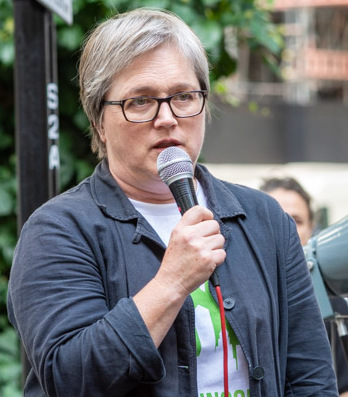
Ministers are being pressed to transfer regulatory control of driverless taxi trials to Transport for London, as companies prepare to launch automated passenger services in the capital by 2026. The Department for Transport currently oversees the authorisation of autonomous vehicles on public roads, while TfL holds jurisdiction over paid passenger services. This division has raised concerns about London’s devolved transport powers.
Caroline Russell, chair of the London Assembly’s transport committee, said the government has overstepped by regulating driverless taxi trials without TfL’s involvement. She told the Local Democracy Reporting Service that TfL should determine how these vehicles operate, including data sharing and safety rules. Russell described the current arrangement as a threat to London’s devolved authority over its transport network.

Tax self-driving cars to fund job losses, report urges
A thinktank recommends an 88p per mile charge to offset impacts on 121,000 London drivers.
Firms seek approval for 2026 rollout
Uber, Wayve, and Waymo are among the firms seeking approval to transport passengers in automated vehicles in London as early as next year. Uber has already invited users to register interest in its robotaxi service. Waymo is testing a fleet of 100 vehicles on London’s roads, though these trials do not yet involve carrying paying passengers.
The Department for Transport announced last year that it would fast-track small-scale trials of driverless taxis and buses without safety drivers in 2026, with a potential wider rollout in 2027. However, the Automated Vehicles Act 2024, which became law last year, places legal responsibility for accidents on approved operators rather than drivers. The act will be fully implemented in the second half of 2025.
Heathrow expansion blocked by climate advisers as costs rise for travellers
The Climate Change Committee says the scheme has no credible pathway under current UK climate policies, while the government weighs a £33bn plan that could add £150‑£400 to long‑haul tickets.
TfL warns of devolution risks
TfL commissioner Andy Lord warned the London Assembly’s transport committee in March that the Department for Transport’s regulation of autonomous vehicles could undermine London’s devolved powers. Lord said TfL must ensure the government’s approach does not override the mayor and TfL’s authority over the capital’s transport network.
Lord confirmed that TfL has the power to block firms from obtaining licences for commercial taxi services in London. However, companies could still apply to operate automated vehicles for purposes such as deliveries without TfL’s approval. He said TfL is not currently involved in any trials for commercial use of driverless vehicles.
We’re all a bit surprised because this is a new technology but the government has been controlling these trials and giving permission for the trials without TfL having any say.
Caroline Russell, London Assembly transport committee chair
A TfL spokesperson said the body is actively engaging with the government to shape future services. They emphasised that safety remains TfL’s top priority and that any new passenger service would require appropriate regulatory approvals. TfL is in discussions with potential operators and plans to issue guidance for automated services shortly.
A Department for Transport spokesperson said permits for automated passenger services in London cannot be issued without TfL’s consent, as set out in the Automated Vehicles Act 2024. They added that the department continues to work closely with TfL ahead of any future pilots. Roads and buses minister Simon Lightwood previously described driverless vehicles as a transformative opportunity for the economy and job creation.
What happens next
TfL is expected to publish guidance for operators of automated passenger services in the coming months. The Department for Transport has opened applications for firms to run self-driving taxis commercially across Britain, with London likely to be among the first locations for trials. The government aims to begin small-scale trials without safety drivers in 2026, subject to regulatory approvals.
Questions this report answers
+Who regulates driverless taxis in London?
The Department for Transport authorises driverless vehicles on public roads, but Transport for London regulates paid passenger services. TfL’s consent is required for commercial automated taxi services under the Automated Vehicles Act 2024.
+When could driverless taxis start carrying passengers in London?
Firms including Uber and Waymo are seeking approval to transport passengers in automated vehicles as soon as 2026. The Department for Transport plans small-scale trials without safety drivers that year, with a wider rollout possible in 2027.
+Why does the London Assembly want TfL to control driverless taxi trials?
London Assembly transport chair Caroline Russell argues that TfL should regulate driverless taxis to protect London’s devolved transport powers. She says the government has excluded TfL from decisions on trials, data sharing, and safety rules.
+What happens if a driverless taxi is involved in an accident?
The Automated Vehicles Act 2024 places legal responsibility for accidents on the approved operator, not the driver. The act will be fully implemented in the second half of 2025, ahead of planned commercial trials in 2026.
News London Desk
This article was written at the News London news desk from the reporting of the outlets listed below it. Drafting is done by a language model under human editorial supervision — there is no reporter behind this byline, and we would rather say so than invent one.
How stories are produced and scoredWho runs News LondonCorrections
The London Ledger
A considered capital-wide edit delivered each morning.
More Coverage in Transport & TfL
Tax self-driving cars to fund job losses, report urges
Heathrow expansion blocked by climate advisers as costs rise for travellers
TfL pays over £7m after tribunal finds cleaner unfairly dismissed over asbestos concerns
