July 2024 becomes London’s first rainless month since records began
Kew Gardens and Surbiton record no measurable rainfall, raising concerns over water supply and infrastructure resilience
News London evidence indexOpen analysis ▾
Met Office data cited
Higher is stronger
Multiple sources and data used
Higher is stronger
Sensational language used in headline
Lower is better
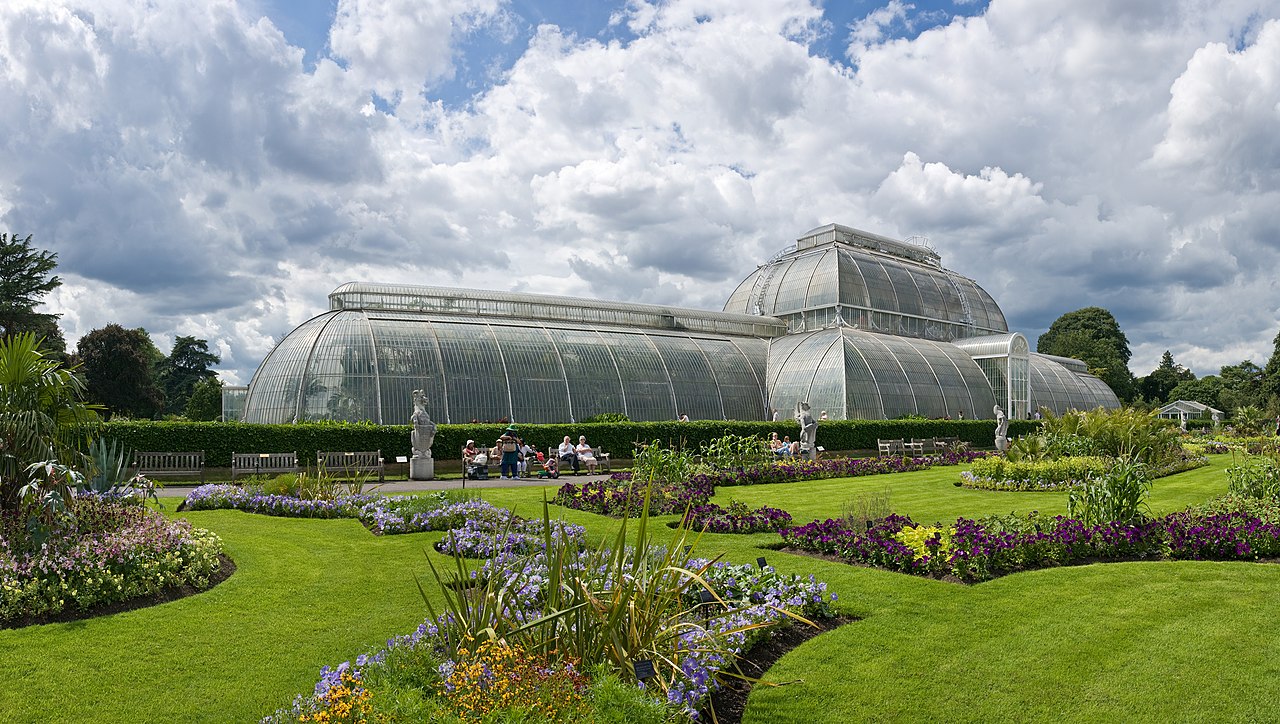
London experienced its first rainless month in recorded history this July. Kew Gardens, which has maintained weather records since 1871, registered no measurable rainfall for the entire month. The Environment Agency’s Hogsmill rain gauge in Surbiton also recorded zero precipitation, as reported by London Centric.
While brief showers occurred in parts of the capital, they were not sufficient to register on official gauges. The absence of rainfall follows a pattern of increasingly dry summers, with London’s ageing infrastructure ill-equipped to manage prolonged drought conditions. Thames Water has not yet issued a hosepipe ban but has urged customers to use water responsibly.

Barnet residents told no September heatwave as hosepipe ban stays in force
BBC forecasters rule out heatwave conditions, Met Office forecasts cooler highs and the drought is expected to continue until sustained rain arrives
Why this matters for Londoners
London’s water supply relies heavily on reservoirs and groundwater, both of which are vulnerable to extended dry spells. The last significant drought in 2022 led to temporary usage restrictions, and experts warn that climate change will increase the frequency of such events. The Greater London Authority has not yet announced contingency plans, but residents in areas with older pipe networks may face higher risks of leaks or supply disruptions.
The dry conditions also pose challenges for green spaces and urban drainage. Parks and gardens, including those in Barnet, are already showing signs of stress, with browning grass and wilting plants. The London Fire Brigade has warned of elevated wildfire risks, particularly in outer boroughs with large wooded areas.
Barnet residents should expect thundery showers on Sunday 13 September
BBC forecasts a 47% chance of thunder around 10 am while the Met Office predicts wet conditions from early morning until late morning
What happens next
Thames Water will continue to monitor reservoir levels and may introduce temporary restrictions if the dry spell persists. The Environment Agency has not scheduled an emergency meeting but has stated it will review the data in early September. Residents are advised to check for updates on water usage guidelines via the Thames Water website or local council bulletins.
No formal policy changes have been proposed by the Mayor of London’s office. However, the dry conditions may accelerate discussions on long-term water resilience, including potential investments in desalination plants or expanded reservoir capacity. Barnet Council has not yet issued specific guidance for residents but has encouraged water conservation measures.
Questions this report answers
+How long has Kew Gardens been recording rainfall?
Kew Gardens has recorded rainfall since 1871. The July 2024 data marks the first time no measurable precipitation was recorded in a calendar month, according to Met Office figures analysed by London Centric.
+What does a rainless month mean for London’s water supply?
A rainless month increases pressure on London’s reservoirs and groundwater. Thames Water may impose restrictions if dry conditions continue, though no immediate action has been announced. Residents are advised to monitor usage.
+Will there be a hosepipe ban in London?
Thames Water has not announced a hosepipe ban but has urged customers to use water responsibly. The company will review reservoir levels in September and may introduce temporary restrictions if the dry spell persists.
+What can residents do to help during a dry spell?
Residents are encouraged to reduce water usage by taking shorter showers, fixing leaks, and avoiding non-essential watering of gardens. Thames Water provides guidelines on its website, and local councils may issue additional advice.
News London Desk
This article was written at the News London news desk from the reporting of the outlets listed below it. Drafting is done by a language model under human editorial supervision — there is no reporter behind this byline, and we would rather say so than invent one.
How stories are produced and scoredWho runs News LondonCorrections
The London Ledger
A considered capital-wide edit delivered each morning.
More Coverage in Local News
Barnet residents told no September heatwave as hosepipe ban stays in force
Barnet residents should expect thundery showers on Sunday 13 September

Mayor launches £7m campaign as study shows Londoners vastly over‑estimate crime
